Overush: The Rugged Sans Serif Font for Authentic Branding
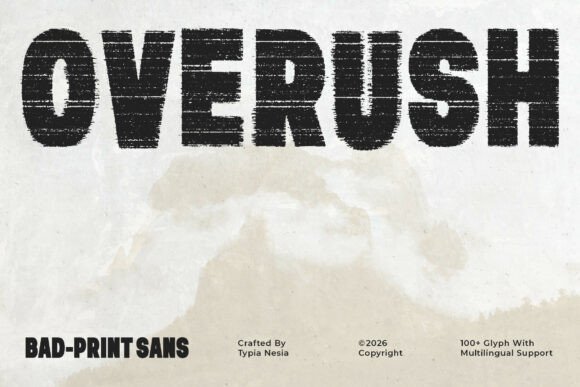
I was staring at a stack of blank packaging boxes for my small candle business, feeling the familiar weight of creative block. I needed something that screamed "handmade" and "authentic" without looking sloppy or amateurish. My current branding felt too clean, too digital, and completely disconnected from the earthy, raw ingredients inside the jars. That is when I discovered Overush, a heavy, bad-print display sans font that immediately caught my eye. It wasn't just another typeface; it was a design solution that promised to embrace the beauty of raw imperfection with Overush, capturing the authentic, rugged soul of a vintage photocopy machine running out of ink.
As a small business owner who spends hours refining brand identity, I know that typography is often the silent ambassador of your company. When you choose the right Sans Serif style, you aren't just picking letters; you are selecting a mood, a history, and a personality for your products. In this review, I will walk you through how integrating these unique Fonts into real-world business materials can transform a generic look into a memorable, high-end aesthetic that resonates with modern customers.
How Overush Creates Instant Authenticity for Product Labels
The first place I tested Overush was on the labels for my new batch of soy candles. The goal was to move away from the sterile, perfect vector lines that dominate so many online shops and inject some human texture into the design. As soon as I applied this specific Sans Serif family to the label mockups, the difference was striking. The font's inherent texture mimics the look of a heavily weathered print, giving the impression that the product has been around for decades, even if it was made yesterday.
This is where the magic of Fonts like Overush comes into play for physical goods. By embracing the beauty of raw imperfection with Overush, you signal to the customer that your product is crafted by hand, not mass-produced in a sterile factory. The heavy weight of the characters ensures they stand out against natural materials like kraft paper, burlap, or recycled cardstock. Unlike standard display fonts that can look flat and lifeless, the "bad-print" aesthetic adds depth and character, making the label feel tactile before the customer even touches it. This visual storytelling is crucial for niche markets where authenticity drives sales.
Using Overush for Bakery Packaging and Handmade Goods
Beyond candles, I imagined how this typeface would perform on bakery boxes or artisanal soap bars. The rugged nature of Overush fits perfectly with brands that pride themselves on organic, unpolished, and honest ingredients. When designing packaging for baked goods, you want the customer to think of warmth and tradition. A clean, corporate font might suggest a supermarket chain, but the distressed edges of this Sans Serif option suggest a grandmother's kitchen or a local artisan.
For handmade sellers, the ability to convey quality through typography cannot be overstated. Using Fonts that capture the authentic, rugged soul of a vintage photocopy machine running out of ink allows you to create a cohesive narrative across your entire product line. Whether it is a sticker on a jar of jam or the main title on a box of cookies, the consistency of the texture ties the brand together. It tells a story of resilience and craft, which is exactly what today's conscious consumers are looking for when they support small businesses.
Transforming Digital Presence with Overush Social Media Graphics
While the physical application is impressive, the true power of Overush shines when translated to the digital realm. I decided to update my Instagram templates and online shop banners to see if the "bad-print" aesthetic held up on screens. The result was surprisingly effective. In a feed saturated with ultra-high-resolution, glossy images, the gritty texture of this Sans Serif font acts as a visual anchor, stopping the scroll.
Digital marketing relies heavily on first impressions, and typography plays a massive role in brand perception. By using Fonts that embrace the beauty of raw imperfection with Overush, you create a distinct visual signature that separates you from competitors using standard, overused typefaces. For social media graphics, the heavy weight of the font ensures readability even on small mobile screens, while the textured details add a layer of sophistication that suggests a premium, curated brand experience.
Designing Memorable Online Shop Banners and Ads
When I updated my website's hero banner, I used Overush for the headline to announce a new collection. The contrast between the clean background and the distressed text created an immediate focal point. This approach is highly effective for e-commerce because it guides the user's eye directly to the call to action. The font captures the authentic, rugged soul of a vintage photocopy machine running out of ink, yet it remains legible enough to convey important information quickly.
For digital ads, especially those targeting audiences interested in vintage aesthetics, sustainable living, or handmade crafts, this typeface is a powerful asset. It communicates trustworthiness and uniqueness without needing long paragraphs of copy. By leveraging these specific Fonts, you can ensure that your digital presence feels as tangible and grounded as your physical products, creating a seamless brand journey from the screen to the purchase.
Strategic Font Pairing for Professional Brand Consistency
One common concern among non-designers is whether a bold, textured display font like Overush can work alongside other elements without clashing. After experimenting with various layouts, I found that the key lies in balance. Because Overush is a heavy, bad-print display sans font, it demands space and breathes best when paired with a clean, simple companion typeface. I recommend using a neutral Sans Serif or a classic serif font for body text and smaller details.
This pairing strategy ensures that your brand looks polished and consistent rather than chaotic. You can use Overush for headlines, logos, and short phrases where impact is necessary, while reserving cleaner Fonts for descriptions, ingredients lists, and terms of service. This hierarchy helps guide the reader through your content, maintaining readability while still delivering the emotional punch of the rugged aesthetic. It is a professional way to embrace the beauty of raw imperfection with Overush without sacrificing clarity.
Logo Design and Business Card Applications
Finally, I tested the font for logo design and business cards. For a boutique or a creative agency, a logo built with Overush instantly communicates a bold, confident identity. The texture adds a layer of intrigue that makes the logo memorable. However, it is important to consider the scale. While the font is stunning for large displays and headers, extreme caution is needed for very small print on business cards to ensure the texture doesn't blur.
Before finalizing any commercial project, always check the included file formats and licensing to ensure you have the rights to use the font on merchandise, packaging, and client work. Most premium Fonts offer robust commercial licenses, but verifying this step protects your business. When used correctly, Overush becomes more than just a typeface; it becomes the cornerstone of a brand identity that feels alive, human, and deeply connected to its audience. Whether you are refreshing a café menu or launching a new skincare line, this tool offers the perfect blend of modern typography and vintage charm.